Symptoms and Signs: It’s Time to Book an Eye Checkup
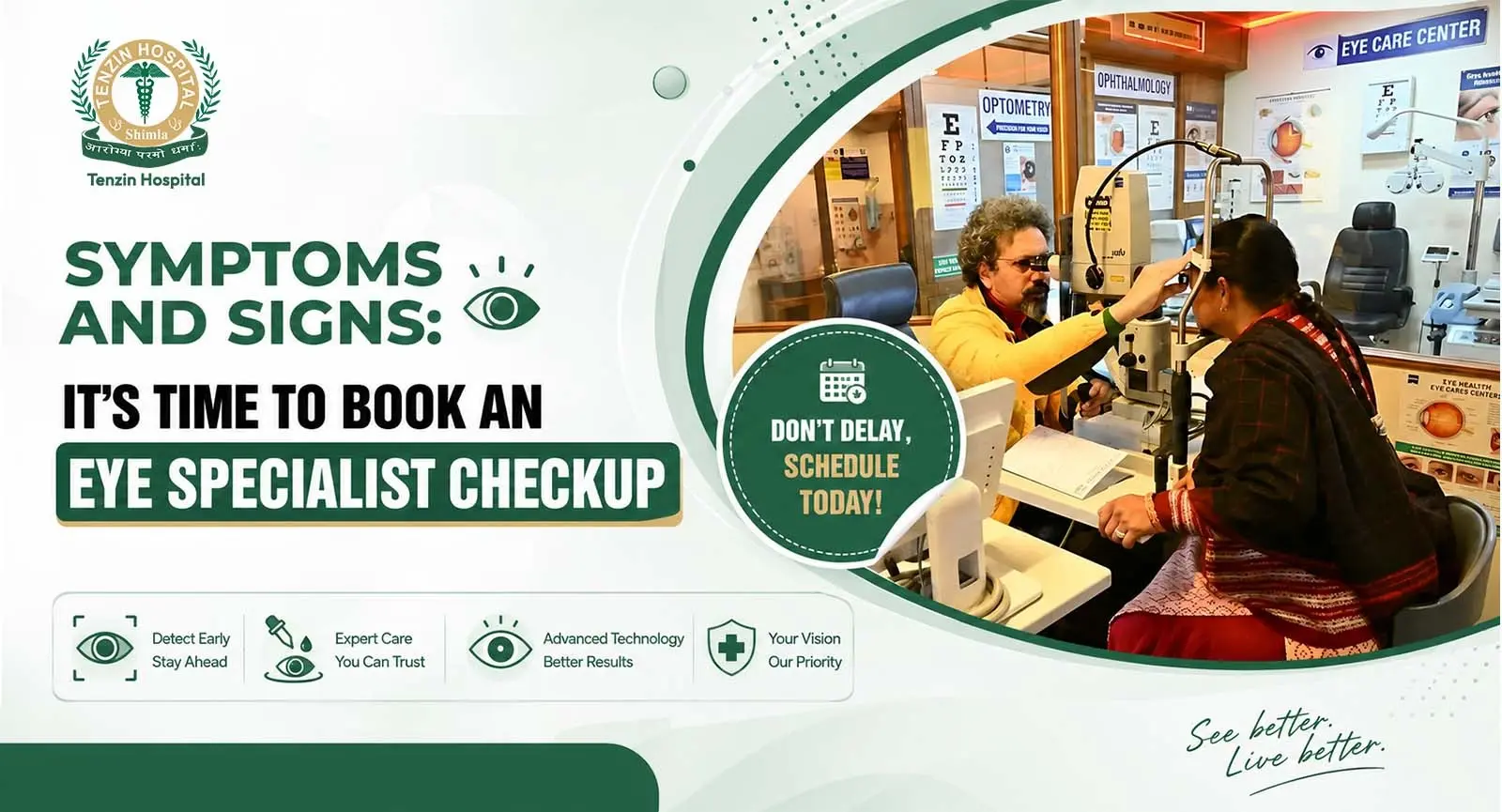
Most people only think about their eyes when something goes wrong. You squint at a menu, struggle to read a sign that used to be clear, or wake up one morning with a red, aching eye, and suddenly you are wondering whether it is serious enough to get checked. The honest answer is that most eye problems are far easier to treat when caught early. The ones that are left too long are the ones that tend to cause lasting damage.
An eye specialist does not just check whether you need glasses. They can detect early signs of glaucoma, cataracts, retinal problems, and even systemic conditions like diabetes and high blood pressure, often before you notice anything is wrong. This article covers the warning signs that you should not ignore, how often routine check-ups matter, and what an eye specialist can actually find when they examine you properly.
Warning Signs That Mean You Should See an Eye Specialist Soon
Some symptoms are easy to neglect. A slightly blurry morning, a tired eye after a long screen day, a mild pain that fades by evening. But certain signs are your eyes telling you something is genuinely wrong, and these are the ones to act on without delay.
- Sudden or Gradual Vision Changes: If your vision has shifted, things are blurrier than they were a month ago, or you find yourself squinting more than usual, that is worth investigating. Gradual changes are often the first sign of a refractive error that needs correcting, or the early stages of conditions like cataracts or macular degeneration.
- Eye Pain, Redness, or Swelling: Persistent eye pain is not something to manage with paracetamol. Pain combined with redness, light sensitivity, or any vision change could indicate uveitis, acute glaucoma, or an infection that needs treatment promptly. A brief flush of redness after a late night is one thing. Pain that lingers, worsens, or comes back repeatedly is another. This is an important sign that you should visit an eye specialist.
- Loss of Peripheral Vision: Losing side vision, noticing that things at the edges of your visual field are disappearing, is one of the signs of glaucoma. The problem with this particular symptom is how silently it develops. Many people do not notice it until significant damage has already occurred. Loss of side vision and recent double vision are warning signs that an eye doctor needs to assess.
- Sensitivity to Light or Halos Around Lights: If bright lights have started to feel uncomfortable, or you see halos around headlights and lamps, particularly at night, this can indicate early cataracts, corneal issues, or raised eye pressure. It is a symptom that tends to worsen gradually, which makes it easy to adapt to rather than act on. Bringing it up at an eye appointment gives the specialist something specific to investigate.
Conditions an Eye Specialist Can Detect: Beyond Just Your Prescription
This is something many people genuinely do not know. A thorough eye examination looks at far more than whether you need glasses. Your eyes are windows to the live action of blood vessels, nerves, and connective tissues throughout your body. Problems spotted in the eye are often the first signs of disease lurking elsewhere. During a comprehensive dilated eye exam, a specialist can identify early indicators of:
- Glaucoma: Often called the silent thief of sight, because it causes no pain and no noticeable symptoms until vision loss is already underway.
- Age-related macular degeneration: Affects central vision, particularly in adults over 50.
- High blood pressure and cardiovascular risk: Visible through changes in the blood vessels at the back of the eye.
This is why routine eye check-ups from an experienced eye specialist matter even when you feel your vision is fine. Some of the most serious conditions give no symptoms at all in their early stages.
Conclusion
Most eye problems that end in permanent damage started as something small that got ignored. A blurry week passed. A floater that seemed harmless. A check-up from an experienced eye specialist that kept getting postponed. Your vision is not something you get back once it is gone. If something feels off, or even if it has just been a while, Tenzin Hospital has the specialists and the care you need. Book your eye appointment today and see clearly for years to come.
FAQ’s
How do I know if my eye problem is serious enough to see an eye specialist?
If the symptom has lasted more than a few days, is worsening, affects your vision, or involves pain, see an eye specialist. Symptoms like sudden floaters, flashes of light, vision loss, or a shadow across your sight need same-day attention. For anything that feels off but is not an emergency, a routine appointment is always better than waiting to see if it settles.
At what age should I start seeing an eye specialist regularly?
Children should have their first eye assessment between the ages of three and five. Adults without symptoms or risk factors can manage with check-ups every two years from their twenties. From age 40, annual or biennial visits are recommended as the risk of glaucoma, macular degeneration, and cataracts rises significantly. Adults over 65 should ideally be seen every year.
Is it necessary to visit an eye specialist if my vision seems fine?
Yes. Several serious eye conditions, including glaucoma and diabetic retinopathy, cause no noticeable symptoms in their early stages. By the time vision is affected, damage has often already occurred. Routine check-ups catch these conditions before they progress, which is the point at which treatment is most effective.