Pediatric Care: When Should You Take Your Child for a Check-Up?
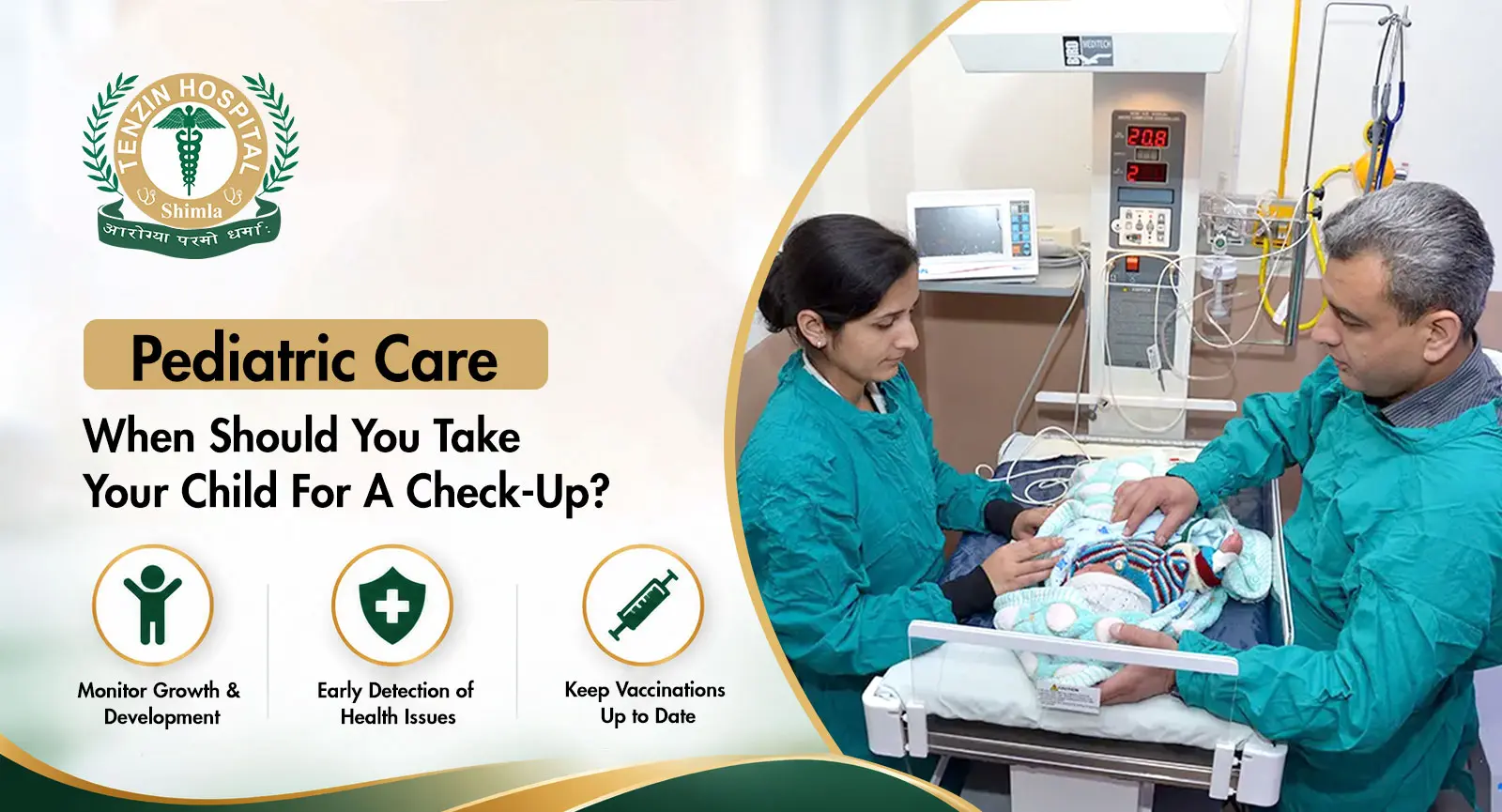
Table of Content
Introduction
Children are not just smaller versions of adults; their bodies work differently, and their immune systems are still learning to handle the world around them. This is exactly why Pediatrics exists as its own specialized field and why a proper Pediatrics check-up catches things a general physician may not always notice as quickly. Regular check-ups are not just a formality; they are how small problems get caught early, before they turn into something more serious.Newborn to Infant Check-Ups: What Actually Happens
The first year is when Pediatrics visits happen most often, and for good reason, since so much changes in a baby’s body during this time.
At each visit, the doctor checks weight, height, and head size to see if growth is on track, does a physical examination to check reflexes and overall development, and talks to parents about feeding, sleep, and anything unusual they may have noticed. These visits also cover vaccination, since many important shots are scheduled specifically for this age window. Skipping or delaying these early check-ups means missing the chance to catch a problem, like a growth issue or a developmental delay, at the point when it is easiest to act on.
Signs Your Child Needs Pediatrics Care Sooner Than Planned
While regular check-ups follow a schedule, some signs mean you should not wait for the next planned visit and should seek Pediatrics care right away.
A fever that stays high for more than a couple of days, or one that comes with unusual drowsiness or a rash, is worth getting checked rather than waiting out. Breathing that sounds labored, wheezy, or noticeably fast is another sign that needs prompt attention. A child who is not feeding well, seems unusually inactive, or is not meeting a milestone you would expect for their age, walking, talking, or responding to sounds, should be seen sooner rather than later. Persistent vomiting, diarrhea, or signs of dehydration, like a dry mouth or noticeably fewer wet nappies, also call for a visit without delay. Trusting your own instinct as a parent matters here too; if something feels off about your child even without a textbook symptom, it is worth getting them checked.
Vaccination Schedule and Why Timing Matters
Vaccination is one of the most important parts of routine Pediatrics care, and the timing of each shot is not arbitrary; it is worked out based on when a child’s immune system can respond well and when they are most at risk from a particular disease.
Missing or delaying a vaccine leaves a window where a child is vulnerable to a disease that could otherwise have been prevented. Some parents worry about vaccine safety, but a vaccine-preventable illness is generally far more likely to cause serious harm than the vaccine itself. A pediatrician following a standard immunization schedule helps make sure your child builds the protection they need at the right time, rather than catching up late after exposure has already happened.
Growth and Development: What Pediatrics Doctors Actually Track
Beyond treating illness, Pediatrics check-ups exist to track whether a child is growing and developing the way they should be, and this tracking happens over time, not just at a single visit.
Doctors monitor physical growth, weight, and height against expected ranges for age, alongside developmental milestones like when a child starts sitting, walking, or forming words. Nutrition guidance is usually part of this too, since what a child eats directly affects both physical growth and energy levels. Emotional and social development gets attention as well, since a child’s overall well-being is not just about their physical body. Catching a delay early, whether physical or developmental, generally means more options for addressing it than waiting until it becomes obvious on its own.
Adolescent Health Check-Ups
Pediatrics care does not stop once early childhood is over. Adolescent check-ups matter too, even though visits usually become less frequent at this age.
Teenagers go through a lot of physical change in a short time, and check-ups at this stage cover general health, along with, more and more these days, honest conversations about mental and emotional well-being. A pediatrician who has known a child since they were a baby is often in a better position to notice changes and talk openly, something a brand new doctor might miss simply because they do not know the child’s history. Staying regular with check-ups through the teenage years also makes sure any old issue from childhood is actually followed up on, rather than being quietly forgotten as the child grows older.
Choosing the Right Hospital for Your Child’s Pediatrics Care
At Tenzin Hospital in Shimla, the Pediatrics department is led by Dr. (Maj.) Lokesh Chauhan, MD Pediatrics, along with a team of pediatricians, nurses, and neonatal specialists who focus only on child care. The hospital offers routine check-ups, growth tracking, vaccination, treatment for common childhood illnesses and allergies, and emergency care for children, along with NICU support for newborns who need it.
Frequently Asked Questions
When should I take my child for their first pediatric check-up?
Right from the day a child is born, and check-ups should continue through childhood and the teenage years too. These visits are really the best way to track growth and catch any problem early, before it turns into something bigger.
Are vaccinations really necessary for every child?
Yes. Vaccines protect children from diseases that can cause serious harm, and the disease itself is usually far more dangerous than the vaccine ever is. Sticking to a standard immunization schedule is the safest way to keep your child protected.
What kinds of problems do pediatric doctors actually treat?
Everything from common things like fever, cough, and earaches to longer-term concerns like allergies, asthma, slow growth, or delays in development.
What should I do if my child needs emergency care outside of a scheduled visit?
Get in touch with your hospital's pediatric emergency service directly instead of waiting for a routine appointment. A hospital with a dedicated pediatric emergency setup and NICU facilities can act fast when a child needs urgent help.